Not a Jet, But Nearly as Fast — The 2026 Daher TBM Guide: The World's Fastest Single-Engine Turboprop

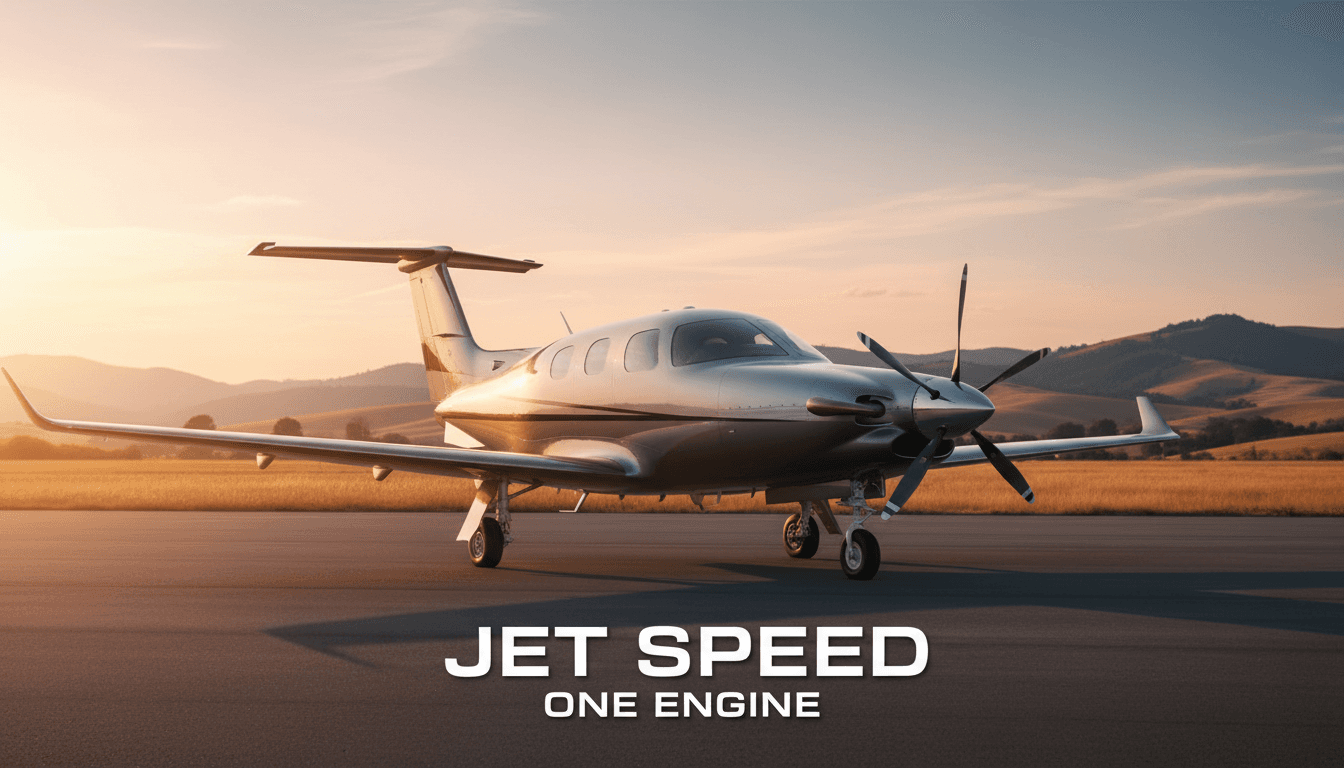
There's an oddity in business aviation: an aircraft with a single propeller that flies about as fast as a small jet. That's the TBM family, built in France by Daher. The current TBM 960 cruises at up to roughly 330 knots — overlapping the lower end of the light jet range. On one engine, burning far less fuel.
Which raises two questions that follow the TBM everywhere: "how does one propeller go that fast?" and, far more important, "is one engine really enough?" This guide answers both honestly, from a working private jet charter perspective.
Quick Summary
Topic | Key Point |
|---|---|
What it is | France's Daher builds the world's fastest single-engine turboprop. |
Speed | Up to roughly 330 knots — overlapping the low end of light jets. |
Current model | TBM 960 (2022–), typically 5–6 seats, pressurized cabin. |
Strengths | Jet-class speed with turboprop economics and runway flexibility. |
Honest limits | Small cabin, and thin charter availability — mostly an owner-flown aircraft. |
Booking | Air Charter Korea checks availability first and quotes alternatives alongside. |
How One Propeller Goes That Fast
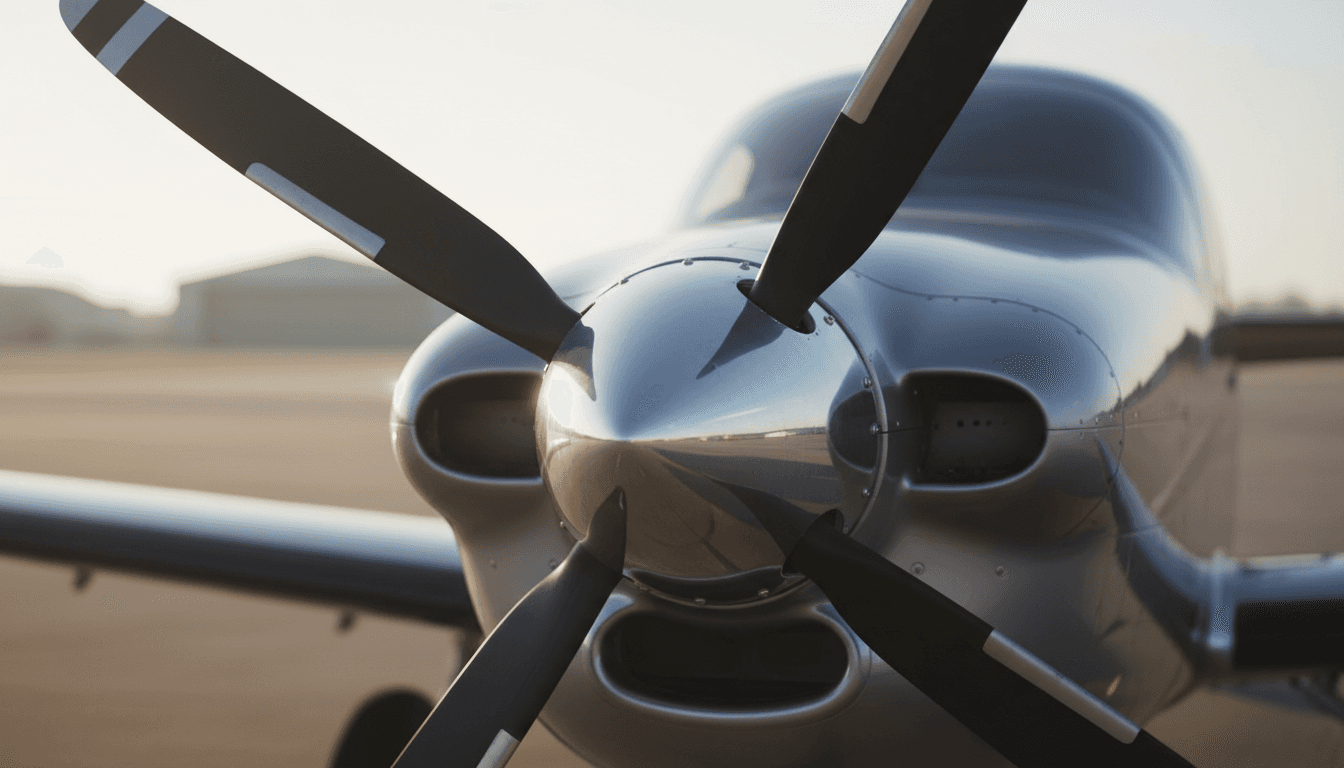
The trick is designing around the propeller's weakness. A turboprop uses a jet engine to spin a propeller, and propeller efficiency falls away as speed rises. The TBM pushes that ceiling three ways.
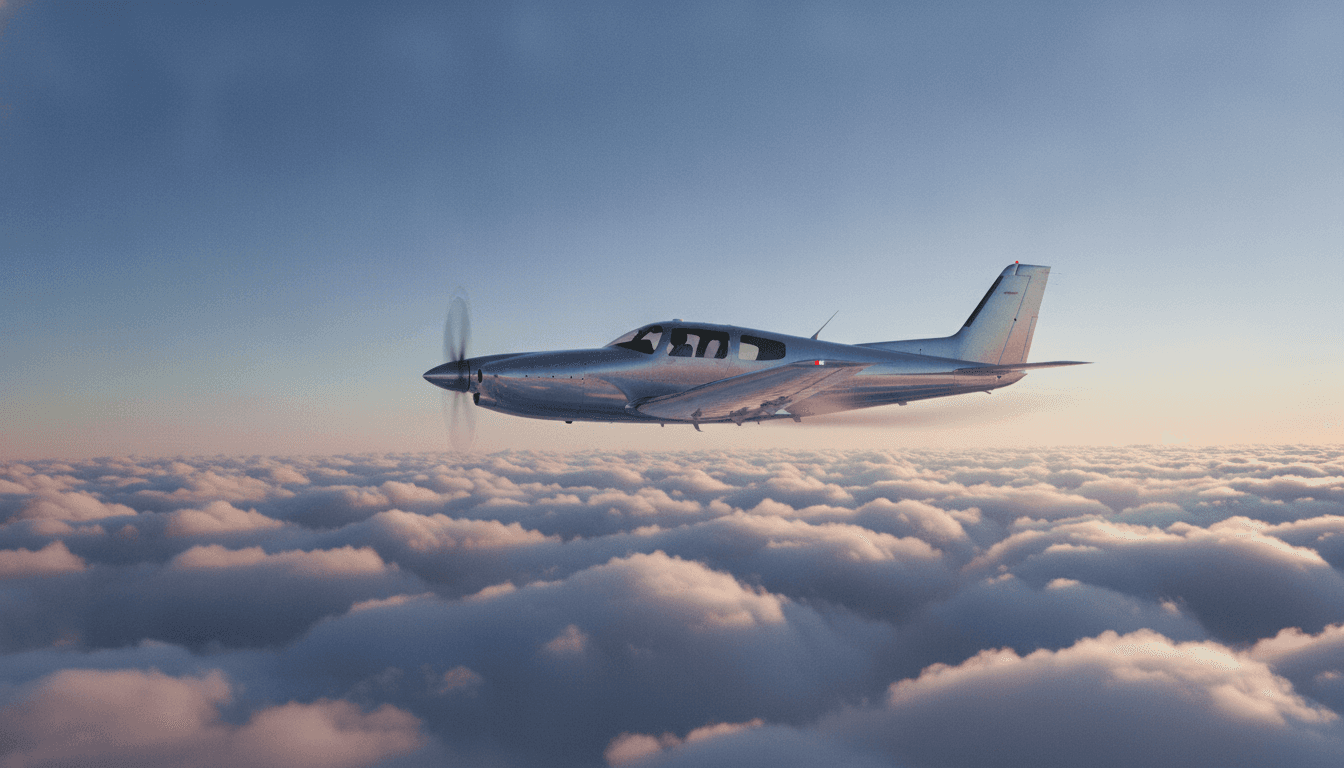
1. It flies high — a pressurized cabin lets it climb into thin air and cruise where drag is low. Same power, more speed.
2. It stays slim — the fuselage was kept sleek instead of stretched for seats. That's why the cabin is small, and why it's quick.
3. The engine is strong — a high-output member of the Pratt & Whitney Canada PT6 family, with digital engine control on the latest model optimizing power and fuel burn.
The result is a distinct niche: turboprop economics at light-jet-entry speed. For the wider fleet map, see our aircraft class guide.
Is One Engine Enough? The Honest Answer
It's the most common question, and it deserves more than reassurance. Start with the facts.
Single-engine turbines are proven territory
The PT6 family the TBM uses is the most widely used turboprop engine line in aviation history, with decades of accumulated reliability data. Unlike piston engines, turbines are mechanically simple and fail far less often. It's why single-engine turboprops are certified for passenger, cargo and air-ambulance work worldwide.
But it isn't a twin
Equally, this must be said plainly: with one engine, an engine failure means gliding to a landing. A twin can continue flying on the remaining engine. So single-engine operations put more weight on flight planning — altitude, and keeping a reachable landing site within gliding range. That's why conservative practice applies at night, over water and in poor weather.
Did you know?
Manufacturers answer the single-engine question differently. Daher's TBM answers with altitude and speed — flying high widens the glide radius. Pilatus answers with ruggedness and short-field landing ability. Cirrus answers with a whole-airframe parachute. Three different engineering answers to the same problem.
The Turboprop Three-Way — TBM vs PC-12 vs King Air
The comparison that actually matters in practice. Figures vary by model and load, confirmed at quote stage.
Factor | Daher TBM | Pilatus PC-12 | Beechcraft King Air |
|---|---|---|---|
Engines | Single | Single | Twin |
Speed | Fastest | Moderate | Moderate |
Cabin & cargo | Small | Large (big cargo door) | Medium–large |
Runway flexibility | Good | Excellent | Excellent |
Charter availability | Thin | Good | Very good |
In a word | Speed first | Versatility — guide | Redundancy & supply — guide |

When It Fits
Where the TBM is a good choice
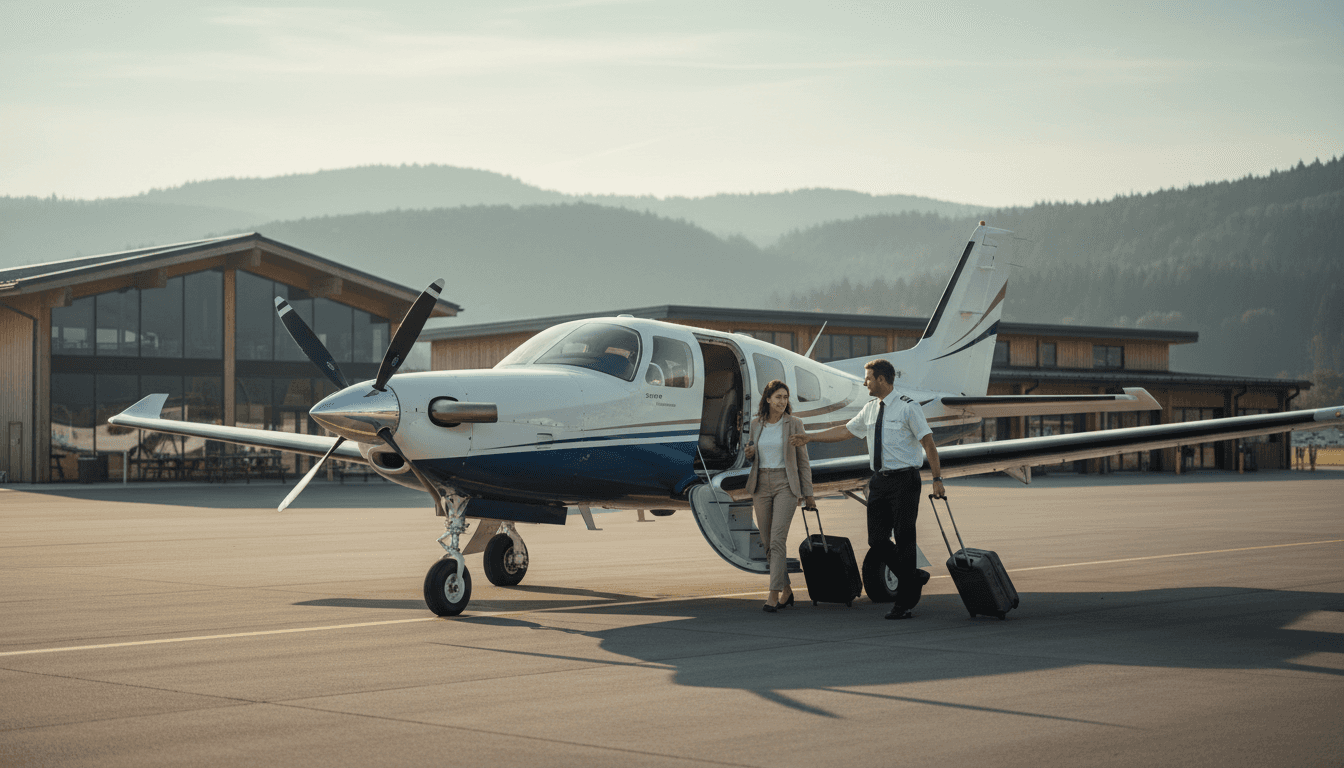
One to three people moving fast — with a small party, a small cabin stops being a drawback.
You want speed without jet pricing — turboprop economics with entry-level jet pace.
Smaller regional airports — more runway options than a jet.
Where something else is better — honestly
More than four passengers, or lots of luggage — the PC-12 and King Air lead on cabin and cargo (luggage guide).
You want the margin of a twin — including the psychological kind. That's the King Air.
International long-haul — light jet or larger.
⚠️ You need an aircraft on a specific date — the TBM is largely owner-flown, so charter supply is thin. There's a real chance nothing is available on your dates.
Three Things to Check When Chartering
1. Availability, first — unlike other types, with the TBM the first question is simply whether one exists on your date. Send the dates and we'll check.
2. Measure passengers and bags early — with a small cabin, exceeding the limits rules it out before anything else.
3. Operator safety rating — on a single-engine type, the operator's standards and maintenance system matter even more (safety guide).
Estimate costs with the private jet cost calculator, and see the full industry map in our private jet manufacturers guide.
Frequently Asked Questions (FAQ)
Is the TBM a jet? No — it's a single-engine turboprop, a jet engine turning one propeller. But at up to roughly 330 knots it overlaps the lower light jet range.
Is one engine safe? The PT6 turbine family it uses is the most widely used turboprop engine line in history, with a deep reliability record. But unlike a twin, an engine failure means gliding to a landing — so flight planning and the operator's standards carry more weight.
How many passengers? Typically 5–6 seats including crew, depending on model and configuration. Confirmed at quote stage.
Can I charter a TBM in Korea? Possibly, but charter supply is thin for this type. Availability comes first; if none is free we compare the PC-12, King Air and light jets as alternatives.
How is it different from the PC-12? The TBM prioritizes speed; the PC-12 prioritizes cabin, cargo and rough-field capability. Same category, different design priorities.
Conclusion — An Aircraft That Traded Everything Else for Speed
The TBM occupies a narrow, sharply defined niche: the fastest single-engine turboprop there is. That speed came from not enlarging the cabin and not adding an engine, so what it gained and what it gave up are both obvious. Few passengers and speed matters? Excellent choice. Need capacity, cargo or the margin of a twin? The PC-12 or King Air is the answer. Air Charter Korea is an independent consultancy tied to no operator or manufacturer — we check availability first, compare alternatives, and present at least three competing quotes.
Have a trip where a small group needs to move fast? Reach us below and we'll check TBM availability alongside the alternatives.
✈️ Request a Private Jet Charter Quote — Air Charter Korea
TBM supply is thin — we check availability first and quote the PC-12, King Air and light jets alongside.
📞 Wonjin Choi +82-10-7723-3177 | ✉️ contact@aircharterkorea.com
🛬 Incheon Airport VIP Concierge — BestTurn
From pre-departure concierge and lounge to onward connections — head-of-state-level service (optional add-on).
📞 Steve (Team Lead) +82-10-3721-2853 | ✉️ service@bestturnaround.com | See VIP Concierge
Author · Wonjin Choi — Victor x AirCharterService Korea Agent
Profile: LinkedIn | Air Charter Korea Company Page
Published · August 1, 2026